

Featured UN Entities
Voices From Across the Field
Sessions feature speakers from the following external organisations:
Labs:
Governments:
Academics:
Partner Organisations:
ANTHROPIC
ELEVENLABS
GOOGLE DEEPMIND
MICROSOFT
OPENAI
CENTER FOR GLOBAL DEVELOPMENT
COEFFICIENT GIVING
ID-INSIGHT
J-PAL
THE AGENCY FUND
BRAZIL
GHANA
UNITED KINGDOM
HARVARD UNIVERSITY
STANFORD UNIVERSITY
TORCUATO DI TELLA
Featured Speakers
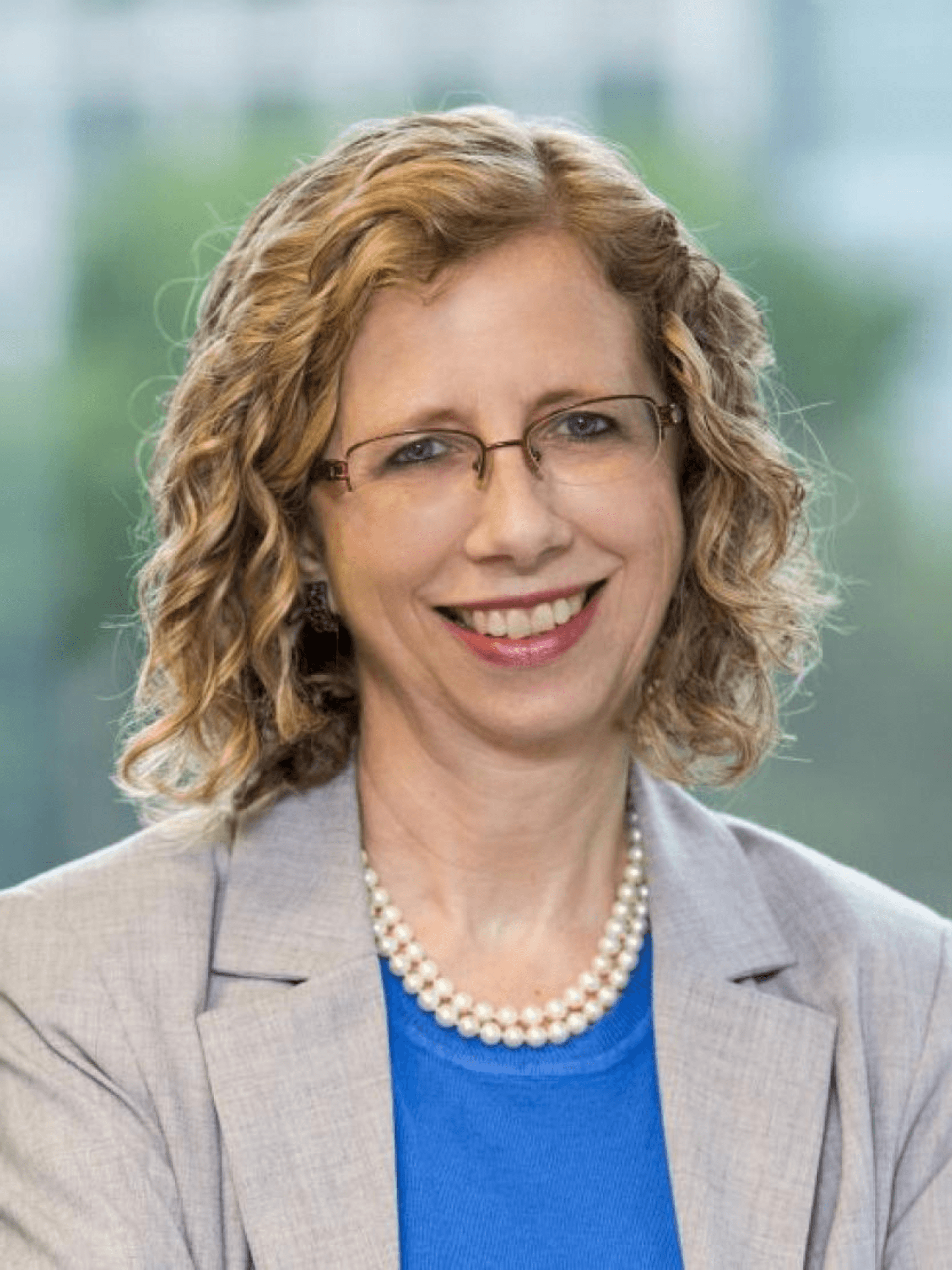
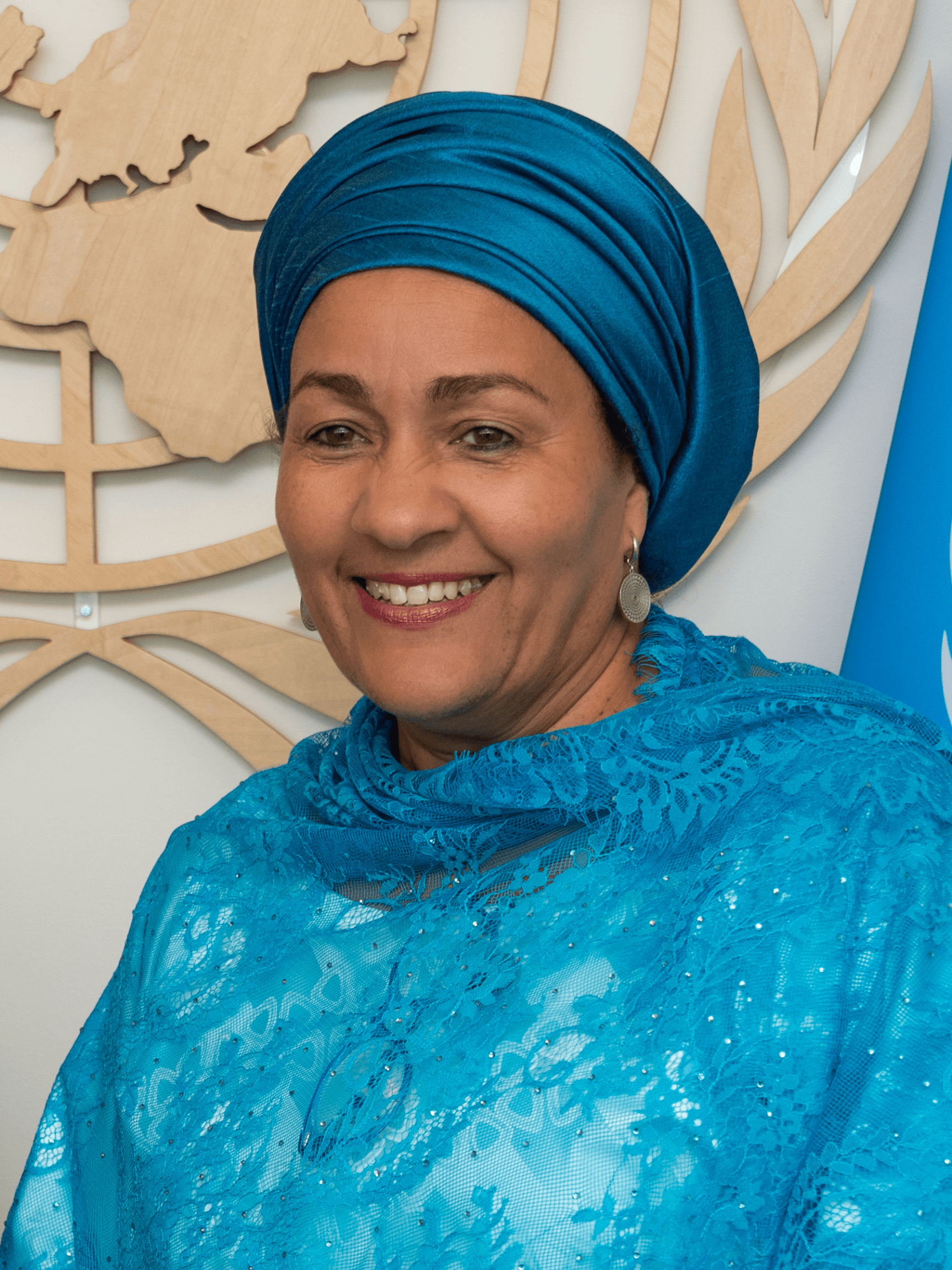
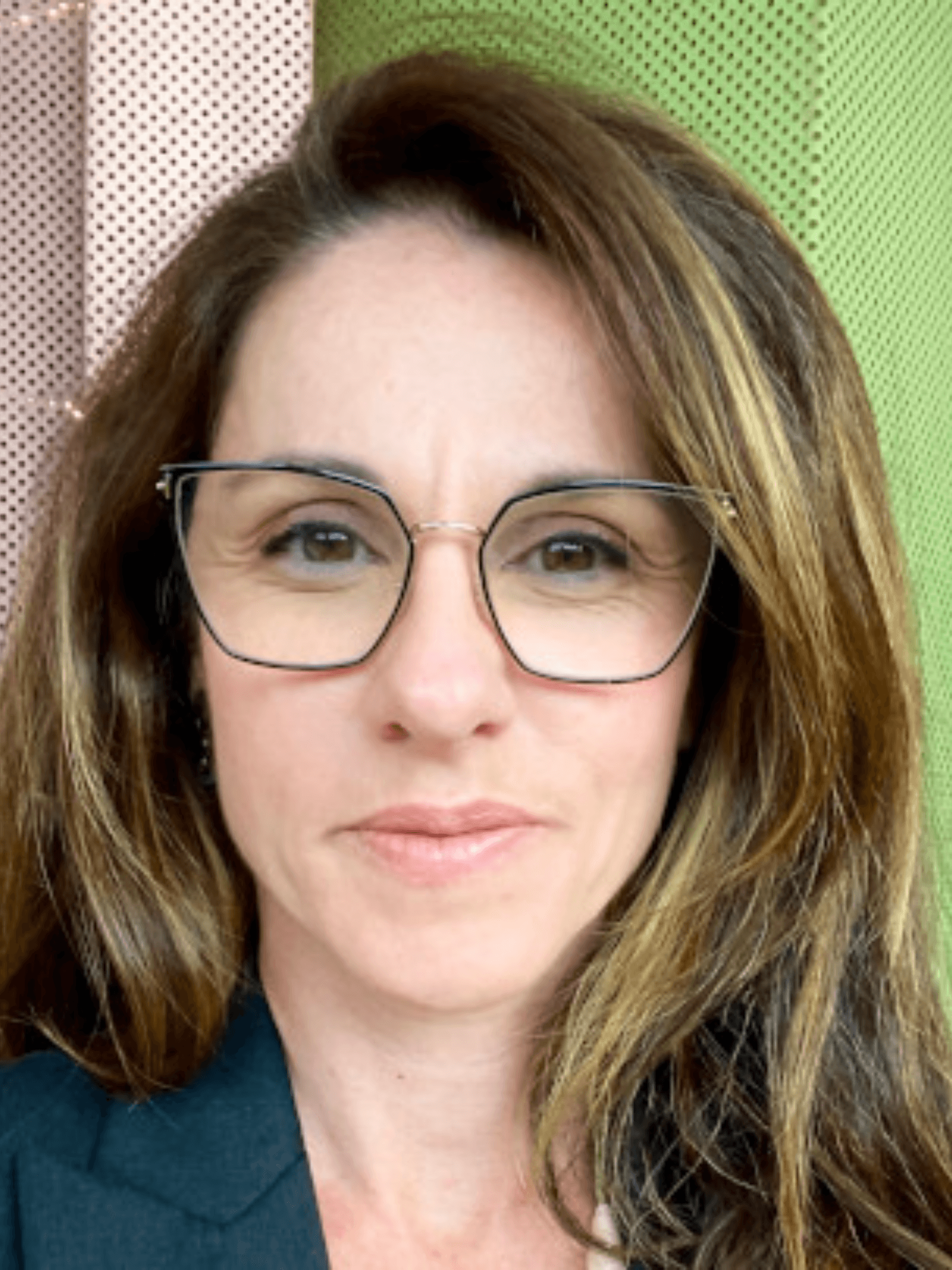

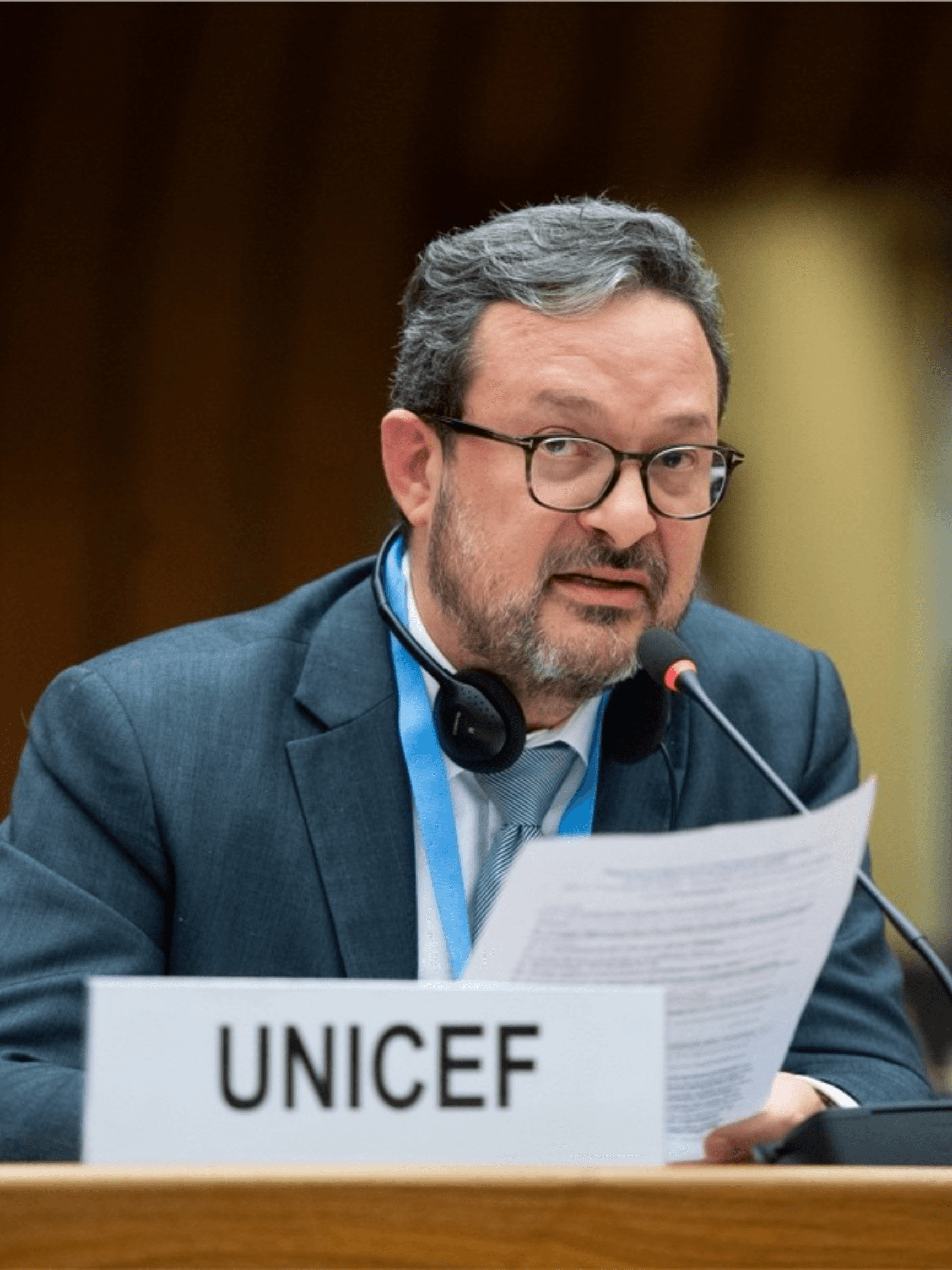



JUNE 1-5, 2026
VIRTUAL EVENTS
UN BEHAVIOURAL SCIENCE WEEK 2026:
For everyone interested in human behaviour in an AI-powered world.
Sessions will explore key topics at the intersection of AI and behavioural science, as well as the integration of BeSci into the work of the UN, the role of evidence in decision-making, and practical applications in health, urban settings, and more.
WHO CAN ATTEND?
UN BeSci Week events are free of charge and open to all and have in the past attracted attendance and attention from thousands of UN colleagues as well as representatives from governments, academia, civil society, NGOs and the private sector.
UN
2026
WEEK
SCIENCE
BEHAVIOURAL


Behavioural Science in Practice Expo
9 AM EST
3 PM CET
#FAO
#IMF
#ILO
#UNDRR
#OHCHR
Learn More →
This session will showcase how BeSci is being applied across UN, highlighting practical approaches to applying, adapting and scaling behavioural methods.

Featuring closing remarks from Volker Turk, the UN High Commissioner for Human Rights, and examples from FAO, IMF, ILO, and UNDRR, the session will explore how BeSci is being integrated across the UN from technical assistance, food systems, antimicrobial resistance, disaster risk reduction, digitalisation, employment to organisational learning. Speakers will discuss hybrid approaches that combine BeSci with human-centred design, mixed methods and capacity development, while reflecting on what it takes to move from awareness and diagnosis to practical application, internal capability-building and programme design.
AI-Enabled Learning for UN Impact
7 AM EST
1 PM CET
#WORLD BANK
#UNSSC
#UN DESA
#MICROSOFT
Learn More →
This session will explore how behavioural science can help increase the uptake and effective use of AI among UN and government colleagues.

The discussion will focus on how behavioural science can support colleagues to build the skills, confidence, and motivation needed to use AI responsibly in their work. It will also examine how behavioural science and AI can enhance the training and capacity development that UN colleagues deliver with Member States. Featuring examples from UN DESA, UNSSC, the World Bank and Microsoft, the session will highlight practical tools, learning design, change management, and approaches for improving engagement, uptake, and impact.
Behavioural Science and AI Human Agency
9 AM EST
3 PM CET
#THE AGENCY FUND
#WORLD BANK
#OPENAI
#CENTER FOR GLOBAL DEV
Learn More →
This session will explore how behavioural science can help understand and support human agency in an AI-powered future, particularly as countries prepare for the transformative potential of AI.

Featuring perspectives from the World Bank, Agency Fund, Center for Global Development and OpenAI, speakers will examine what individuals, communities and institutions need in order to benefit from AI while managing risks around trust, autonomy, inclusion and decision-making, with a focus on practical implications for low- and middle-income countries.
AI, Behavioural Science and Digital Systems Expo
11 AM EST
5 PM CET
#UN DGC
#UN ESCWA
#UNEP
#UNITAR
Learn More →
This session will explore how AI and behavioural science are being applied in digital, operational and consumer-facing systems.

Featuring examples from DGC, ESCWA, UNEP and UNITAR, the session will examine applications in transport and mobility, consumer protection, sustainable consumption, tourism and platform design. Speakers will discuss how AI and behavioural science can improve services, support better decisions, shape digital environments and address risks around trust, consumer choice and employee experience.
Human-Centred AI and Collective Behaviour Expo
7 AM EST
1 PM CET
#UN GLOBAL PULSE
#OHCHR
#UNDP
#UNU
#UNIVERSIDAD DI TELLA
Learn More →
This session will explore how AI is being used to understand human behaviour across complex policy contexts.

Opening with reflections from Joaquin Navajas (Torcuato Di Tella University) on collective intelligence, the session will feature examples from UN Global Pulse, OHCHR, UNDP and UNU. It will examine AI-powered systems modelling for peace and security, behavioural approaches to human rights in the digital age, population responses to policy interventions, and the role of human agency and resilience in the AI era.
AI Adoption in Practice
9 AM EST
3 PM CET
#UN-HABITAT
#WFP
#J-PAL
#ID-INSIGHT
Learn More →
This session will explore how behavioural science can help make sense of the human and practical dimensions of AI adoption in real-world development and institutional contexts.

Featuring case studies from UN-Habitat and WFP, alongside perspectives from J-PAL and IDinsight, speakers will examine what shapes whether AI tools are taken up, trusted, used appropriately, and translated into better outcomes. The discussion will consider issues such as access, motivation, and unintended consequences, and how evidence and evaluation can support more responsible and effective AI adoption.
AI-Enabled Behavioural Science Methods
11 AM EST
5 PM CET
#UNICEF
#STANFORD UNIVERSITY
#GOVT OF GHANA
#ANTHROPIC
Learn More →
This session will explore how AI is expanding the methodological toolkit for behavioural science, from measurement, prediction and simulation to personalised interventions, understanding heterogeneity, and making complex data more usable for decision-making. The discussion will feature perspectives from UNICEF, Stanford University, the Government of Ghana and Anthropic. Speakers will examine emerging applications, including AI-enabled tools that translate operational data into decision support, simulate survey responses, support more constructive public deliberation and use AI interviewing to generate richer insights into people’s experiences. The session will highlight how these methods can help policymakers and practitioners better understand behaviour, generate insights and improve programme design.
Model Behaviour Across Global Contexts
9 AM EST
3 PM CET
#UNICEF
#ELEVENLABS
#COEFFICIENT GIVING
#GOOGLE DEEPMIND
Learn More →
This session will explore how model behaviour varies across languages, cultures and contexts, and what this means for equitable AI adoption in low- and middle-income countries.

Featuring perspectives from UNICEF, Coefficient Giving, ElevenLabs, and Google DeepMind, speakers will examine the limits of models trained primarily on WEIRD contexts, the role of localisation in closing rather than widening AI gaps, and how more accessible, context-sensitive tools can support inclusive adoption across diverse settings.
Discussion with Professor Sanmi Koyejo
11 AM EST
5 PM CET
#UN EOSG
#UNIN
Learn More →
This session with Professor Sanmi Koyejo (Stanford University) will explore how AI systems can be evaluated, tested and adapted across diverse global contexts.

Drawing on themes from AI evaluation across different settings, human preferences in AI, and his work in Africa, the session will consider what it takes to build systems that are useful, reliable and responsive to different communities. The conversation will examine how AI performs across contexts, and what this means for fairness, trust, accountability and practical use. It will also explore how behavioural science can help institutions understand how people adopt, rely on and respond to AI in practice.
Behavioural Science 101
10 AM EST
4 PM CET
#WORLD BANK
#UNICEF
Learn More →
How can behavioural science help us understand and address behavioural challenges in an AI-powered future?

This introductory session will introduce core behavioural science concepts and practical approaches to diagnostics, design, testing, and evaluation. Drawing on examples from UNICEF and the World Bank, speakers will explore links with social and behaviour change and reflect on how BeSci can support more effective and locally grounded action in Global South settings. Participants will also hear about training opportunities across the UN and leave with key questions to carry through the week.
Wednesday, 3 June
Monday, 1 June
Thursday, 4 June
Friday, 5 June
Thursday, 28 May
Tuesday, 2 June
High-Level Opening
9 AM EST
3 PM CET
#UN EOSG
#UNIN
Learn More →
The High-level Opening session of UN Behavioural Science Week 2026 will explore how AI, data and behavioural science can shape the future of the UN.

Opening remarks will be delivered by Amina Mohammed, Deputy Secretary-General, and Inger Andersen, Executive Director of the United Nations Environment Programme.

A high-level panel on AI and behavioural science in practice for impact will then feature Carlos Acosta, Deputy Director, UNICEF Programme Group; Helen King, UK Ambassador to the UN's Economic and Social Council; Geneviève Boutin, UN Resident Coordinator in Guinea-Bissau; and Claudia Wehbe, Director of Innovation, Government of Brazil.
Behavioural Data Science and Simulation
11 AM EST
5 PM CET
#STANFORD UNIVERSITY
#UNICEF
#UNHCR
#HARVARD UNIVERSITY
Learn More →
This session will explore how behavioural data science, simulation and synthetic data can help the UN better understand behaviour, needs and decision-making across diverse contexts.

Featuring opening remarks from Michael Bernstein (Stanford University) and examples from UNICEF, UNHCR, and Ashley Whillans (Harvard University) the discussion will examine how large-scale data can generate insights on vaccination, migration and workplace wellbeing. Speakers will consider how these methods can support more targeted, evidence-informed programming, while addressing methodological, ethical and practical questions around simulation, synthetic data and sensitive data use.